
deur Marguerite van Wyk in Sarie, Januarie 2022 COVID-19 het 'n hele nuwe stel kwelvrae…
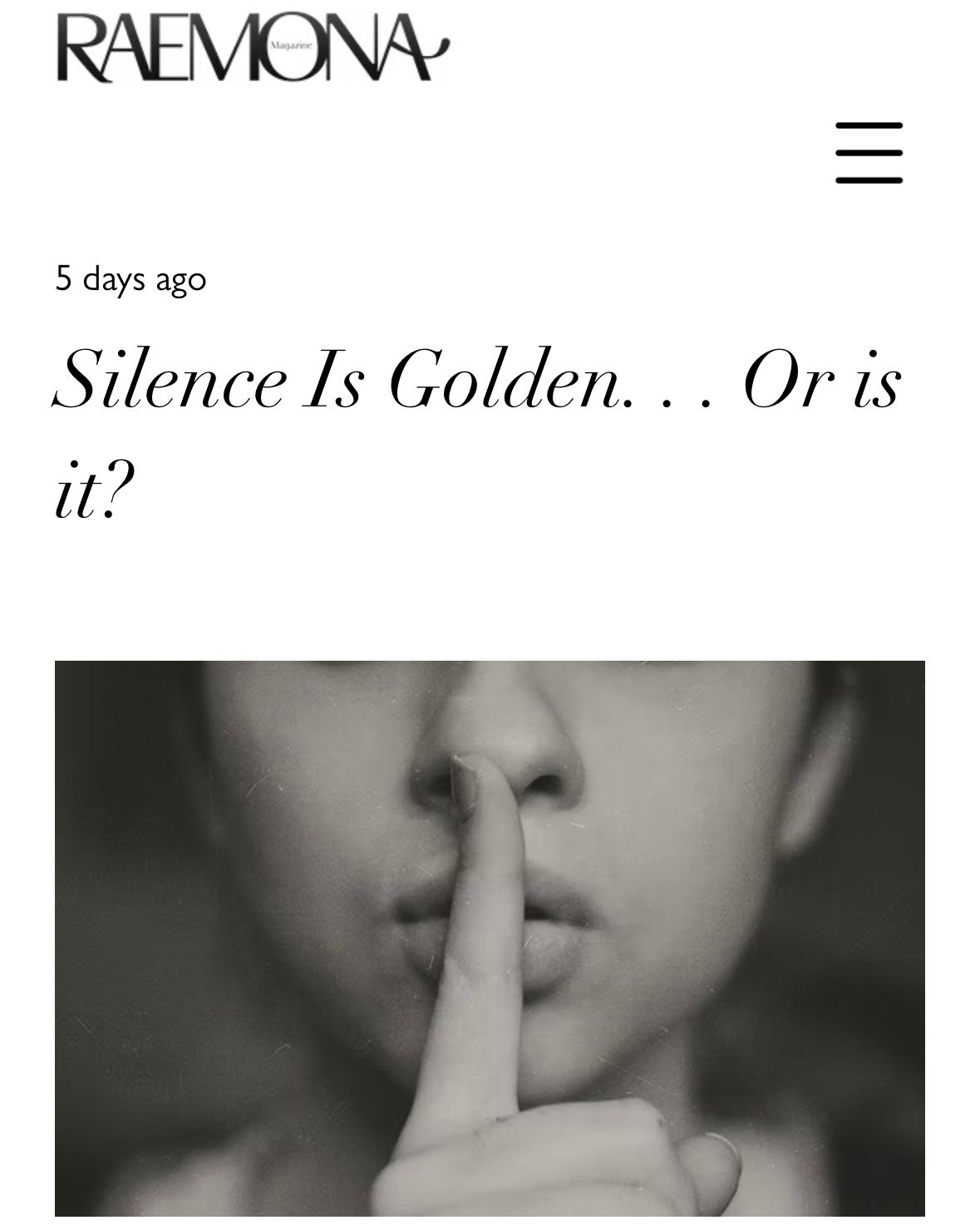
Silence Is Golden. . . Or is it?
Silence is often treated as a virtue. We admire people who stay calm, composed, and measured. In many moments, silence is exactly what allows us to think clearly, regulate ourselves, and choose our words with care. But silence is never neutral. As Paul Watzlawick reminded us, you cannot not communicate. Even when no words are spoken, something is being said – and context determines what that silence means.
In a contribution to Raemona Magazine, I reflect on the how the context of the silence determines the meaning thereof:
Silence can be thoughtful and reflective, a space where understanding deepens. It can also be a protective pause in a heated moment. Yet the very same silence, in a different relationship or emotional climate, can feel like distance, punishment, or rejection. Stonewalling leaves the other person shut out. The silent treatment functions as a withdrawal of connection, often experienced as control. Silence can also be a trauma-linked freeze response when someone feels overwhelmed, unable to speak despite wanting to. The behaviour looks identical; the meaning is entirely different.
Silence as a pattern
When silence becomes a pattern – the way someone responds across situations – it can quietly erode emotional health and intimacy. Needs that are not expressed cannot be met, and over time they harden into resentment. Unspoken emotions do not simply disappear; as the oft-attributed Freud line goes, they are “buried alive and will come forth later in uglier ways.” Suppressed frustration leaks through in other forms: irritability, shutdowns, tension, or the classic non-verbal signals that speak louder than words. Slamming cupboard doors instead of speaking up leaves others walking on eggshells, feeling punished and unsure what they have done wrong. This creates a cycle of anxiety that makes genuine connection harder to reach.
Silence also asks something impossible of the people around us. If thoughts or feelings remain unspoken, others are forced into guesswork. It is like asking them to read your mind with a crystal ball. And equally, withholding empathy or appreciation – even when you feel it – is like buying someone a gift and never giving it to them. Moments of warmth left unspoken deprive relationships of the very nourishment that helps them thrive.
What vs how
Importantly, speaking up does not mean demanding, controlling, or always getting what you want. It is not about winning. It is about making yourself known. The how matters far more than the what: tone, timing, and intention shape whether communication creates closeness or conflict.
Silence, then, is neither good nor bad. Expression is neither right nor wrong. What matters is flexibility – the ability to choose the response that fits the moment, rather than relying on a reflex that once protected you but now constrains you. Healthy relationships are built not on constant talking, but on the courage to be transparent, the willingness to be reachable, and the capacity to let others see the emotional truth beneath the surface.
Find me at Thrive Wellbeing Centre for bookings:
https://www.thrive.ae/team/christi-gadd
Related Posts


Comments (0)